
Featured Purchase Your Heritage Pass

Apples are at the core of Jersey's culture.
The domestic apple originated over 1500 years BC in the forests of Kirghizia. Between China and Russia, Kirghizia was on the main trade route – the Silk Road. Consequently, fruits and horticultural skills spread to Roman gardens and orchards.
In 1066, Normans invading England took these traditions with them. In Jersey, cider making later became the main local industry. For centuries, cider was a popular drink consumed in most Jersey homes.
In 1692, Jean Poingdestre wrote “There is hardly a house in the island, except in St Helier, that did not have an orchard of one to two vergées…” The 1795 Richmond Map shows Jersey with 20% of agricultural land growing apples. From 1852 to 1855, cider exports averaged 150,000 gallons; a million gallons were consumed locally!
By the 20th century cider production had declined. During the Occupation, there was a slight revival in growing apples and making cider. But after the Liberation, more orchards were turned over to the potato.
The storm of 1947 uprooted many apple trees. By the late 1960s there were just 173 vergées of orchard in Jersey. The great storm of October 1987 caused more loss of ancient varieties of Jersey’s cider apples, so the Société Jersiaise and National Trust for Jersey formed “The Jersey Cider Orchard Trust” – led by the late Brian Phillipps and Rosemary Bett – to locate, identify and preserve local apple varieties.
A nursery with 150 rootstocks was created in 1989. Orchards were planted in 1991 at the Howard Davis Farm, in 1993 at Hamptonne and in 2003 at The Elms.
You can read the full story about cider making in Jersey here.

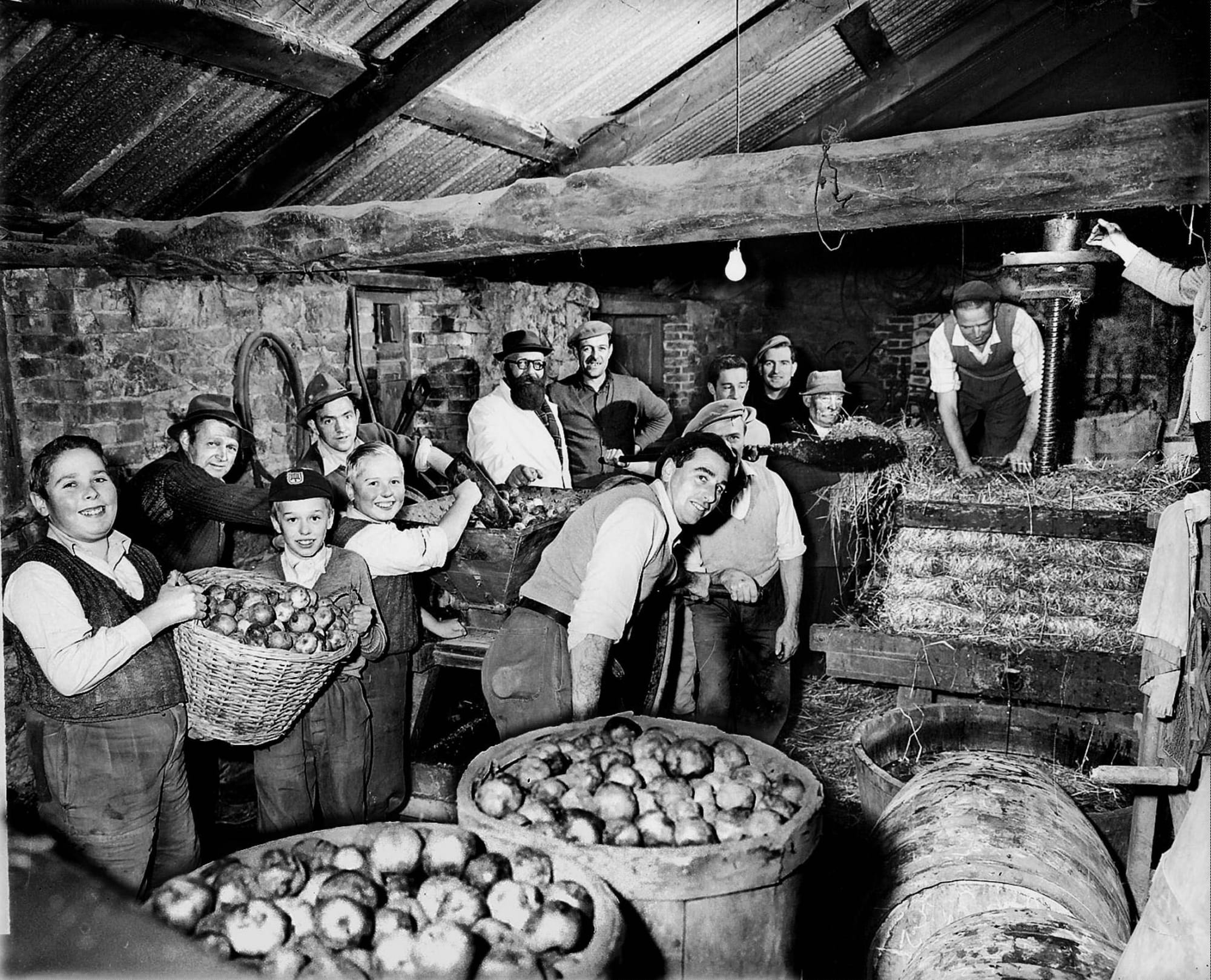

In 1682, the average consumption of cider per head of population in Jersey was estimated at 620 litres.
In 1801, Reverend F Le Couteur calculated the annual cider production in Jersey as 7 to 8 million litres.
In 1810, cider exports reached a peak with 4.5 million litres leaving the Island.
By 1875, the cider industry had declined with only 12,000 litres being exported.
In 1939, 1,200 vergées of land was used as orchards. However, by 1959 this had fallen to 417 vergées.

Discover the story of Jersey cider making, from the apples used to the annual process of pressing and fermenting. You can even try a little of last year's Hamptonne cider straight from the barrel.
Visit Hamptonne“Quand la pomme est meûse ou tchait” means when the apple is ripe it falls; there’s a time for everything.
“Faut tréjous garder eune pomme pouor la sé” is to put something by for a rainy day. (It translates as “one must always keep an apple for the thirst”, ie for when one will be thirsty)
“La pomme au garçon et la pâte à la garce” means to the son, not the daughter, the best of an inheritance. (It translates as “the apple to the boy and the pastry to the girl”, meaning that the son gets the best of the apple pie)
“Quand la pomme tchit siez té l’affaithe meûthissait siez nous” means when you pop off, I won’t be far behind. (It translates as “when the apple fell at your home, the matter ripened at ours”, ie one death implies another)
“Tant pus d’pommes tant pus d’pépîns” translates as “the more apples, the more pips”, meaning the richer you are, the richer you get.
“M’n anmîn quand tu’as des pommes, et acouo pus quand tu m’en donne” translates as “my friend when you have apples and still more when you give me some”, which means that one favours someone who has something to offer and even more when they give something.
“Quand nou-s-a bu la méthe (du cidre) nou-s-a tréjous sé” translates as “when you drink the mother (of cider), you are always thirsty”. It means that when you’ve drunk ropey cider, you’re always thirsty. The “mother of cider” is the fermented mass at the bottom of a barrel.
“Si les trais preunmièrs jours dé Mai sont bieaux i’ y’étha du cidre comme dé l’ieau” translates as “if the first three days of May are fine, the cider will flow like water.”
La Faîs’sie d’Cidre
Saturday and Sunday, 18 and 19 October / 10am to 5pm / Hamptonne
‘La Faîs’sie d’Cidre’, or Cider Festival, is a vital part of our Island’s heritage, bringing together the community to create a unique Jersey experience in the beautiful surroundings of Hamptonne.
Take part in celebrating our Island’s heritage, taste the cider and watch the pressing of this year’s apples.
It’s not all about the cider – there’s also live music, entertainers, creative activities, dance, fantastic food and even better company. There really is something for everyone, with lots to do, things to learn, people to meet and fun to be had! Visit our website to see the live music line-up and transport options to and from Hamptonne.
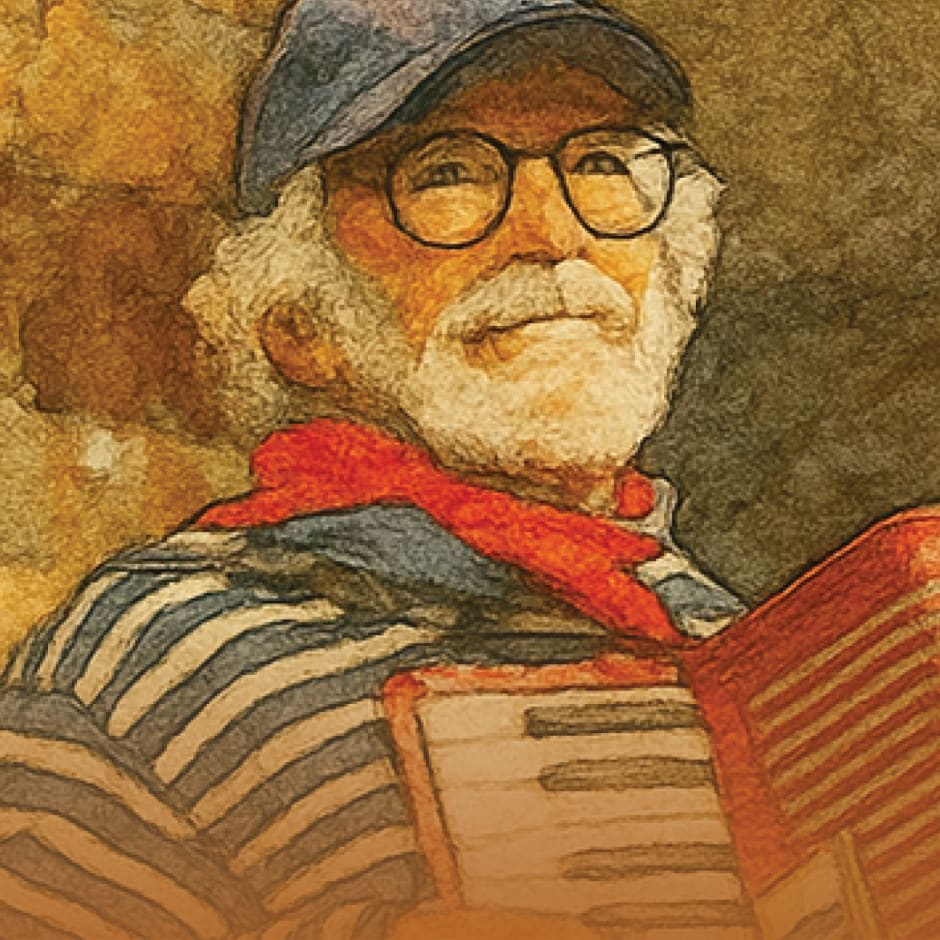
The well-known Jersey artist Edmund Blampied was born in St Martin in 1886, but spent most of his childhood living in Augres, Trinity, which shaped his love of the countryside and the many characters that lived there. He received no formal art training until he moved to London aged 16 to study at the Lambeth School of Art, and he left Jersey speaking very little English as his first language was Jèrriais.
In his art, Blampied captured the world that he saw around him, which included men and women at work and play, vraicking scenes, cider making and animals working. The large body of work that he left behind after his death in 1966 provides a rich insight into life in Jersey in the first half of the 20th century.
Here are three Blampied artworks relating to cider making. These are held in the Jersey Heritage collection with thanks to the Société Jersiaise.


In the 17th century, because of the Island’s profitable export of cider, there was not, it was said, one house without an apple orchard. This continued until the 1880s when the orchards were grubbed out to plant the even-more profitable potatoes.
The original bourdélots were made with suet pastry wrapped round peeled and cored apples. One method of cooking was to boil them like apple dumplings; another was to place them in a moderate oven (when the bread oven was cooling slightly) on cabbage leaves.
Hugh Fearnley-Whittingstall’s take on bourdélots – “dressed-up baked apples”:
These ingredients will make four or six and can be increased or reduced as required.
375g pastry (puff pastry or shortcrust pastry)
6 eating apples
70g light muscovado sugar
100g unsalted butter
½ tsp cinnamon
A few grinds of nutmeg
Zest of 1 small lemon
1 egg
Method:
Divide the pastry into six and roll out each piece quite thinly into a square large enough to envelope an apple. Peel and core the apples, making sure you keep the bases intact, so the juices won’t flood out. Scatter 25g sugar on a piece of baking parchment and roll the fruit in it. In a bowl, cream the butter, remaining sugar, cinnamon, nutmeg and lemon zest, then pop a spoonful into the cavity of each apple. Place an apple in the middle of each pastry square, dampen the pastry edge with water, pull up around the fruit and crimp to enclose. Chill for an hour.
Heat the oven to 200̊C/400̊F/gas mark 5. Whisk the egg with a couple of tablespoons of water and brush over the parcels. Place in a roasting tin lined with parchment and bake for 35-40 minutes, until golden. Serve at once with cream or ice cream.
Image courtesy of Jersey Evening Post
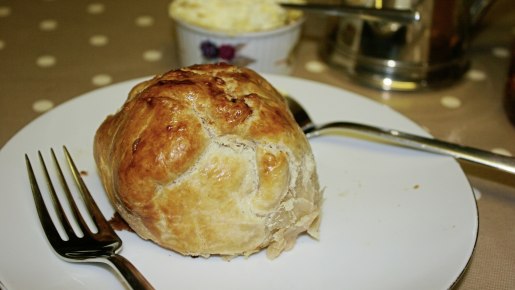
Bourdélots / Apples in Pastry
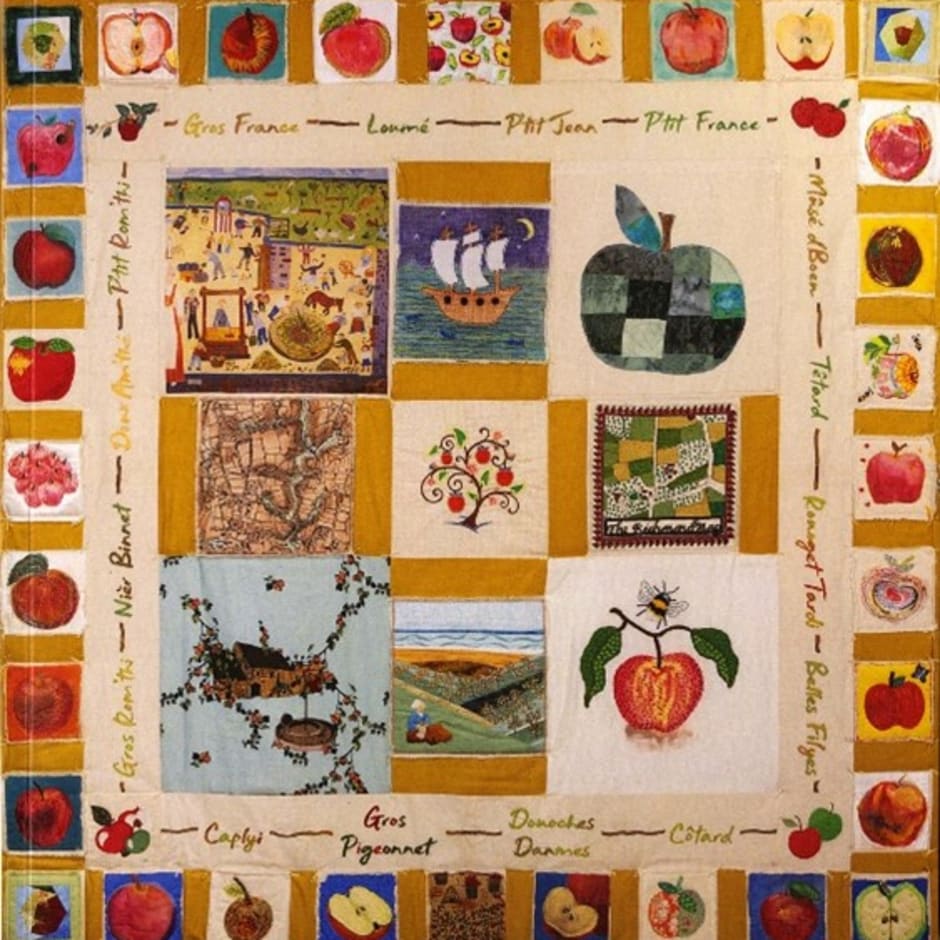
The Jersey Cider Apple Quilt – La couvèrtuthe pitchie d’la pomme à cidre Jèrriaise – celebrates Jersey’s long heritage of growing apples and making cider.
The Quilt features the names of 16 varieties of Jersey cider apple and depicts many facets of an industry that is an important part of our horticultural and cultural heritage.
The community project took about four years to complete and involved people aged between three and 88 years old. In total, 413 beautifully decorated patchwork blocks were made by the public and sewn together by volunteers to create a 9 ½-sq ft quilt.
The Quilt was part of our ‘Bouan Appétit!’ exhibition at Jersey Museum and is now being carefully stored for posterity. This treasured and unique piece of community art and craft is due to go back on public display at Hamptonne Country Life Museum in 2027.

You can discover the full story in ‘The Jersey Cider Apple Quilt’ book, which is available to buy at Jersey Heritage sites for £15.

Take advantage of our ‘winter warmer’ discounts on bookings taken on mid-week stays between 3 September 2025 and 3 April 2026. The Cider Barn Apartment sleeps up to six people and retains many authentic features of the building, including the original plaster work in the large bedrooms, wooden beams and look out for the early 19th-century graffiti! There are is one king and one double bedroom and one twin bunk room with views across the courtyard and surrounding meadows. It has a fantastic, well-equipped open-plan kitchen, lounge and dining room, with a shower room and cloakroom with WC off the main hall.
Book your stayKate Lynch is a Somerset-based artist who has combined her professional life as a painter with educational work in schools and community art projects. In 2006, we invited Kate to work with pupils from St Lawrence Primary School and produce for posterity a painting celebrating Jersey’s rich history of growing apples and making cider.
On Saturday, 21 October – Apple Day – Kate met with the young students and their class teacher, Naomi Renouf, at Hamptonne. Each pupil was allocated a specific subject to draw on-site, and provided with a sketch book, pencils and coloured pastels. They also spent time drawing in the Cider Barn – the horse and cider makers working hard, crushing apples and then layering the pulp on the twin-screw press to extract the juice.
The next day, Kate worked on the design and composition so that each young artist could transfer their drawing on to the MDF board and paint it. Once each element had been painted by the individual artists, Kate painted the background.
The finished artwork was unveiled at Jersey Museum on Thursday, 26 October 2006 and for 15 years, the painting was displayed at Hamptonne (it is currently in storage).
The painting depicts all aspects of the 2006 community event, not just the demonstration of traditional cider making but also the on-site entertainment and some of the personalities who were involved in various ways.

“Apple of my eye” dates to ancient Greece and Rome and refers to someone who is cherished or beloved.
“An apple a day keeps the doctor away” means regular healthy eating promotes good health. Apples – especially the skin – are a good source of dietary fibre and vitamin C and are low in calories. They contain Flavonoid, believed to protect the arteries.
“The apple doesn’t fall far from the tree” implies children resemble their parents.
“One bad apple spoils the whole barrel” refers to how one negative person can corrupt a group.
“How do you like them apples?” is a boastful challenge or expression of triumph.
To “upset the applecart” refers to making trouble or disrupting a plan, situation or the status quo.
“Rotten to the core” describes someone or something that is thoroughly bad or corrupt.